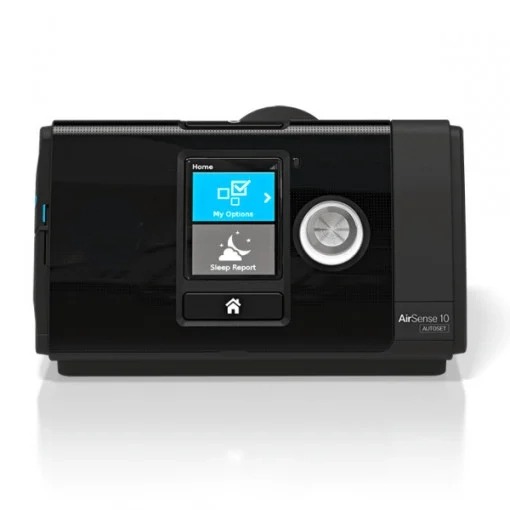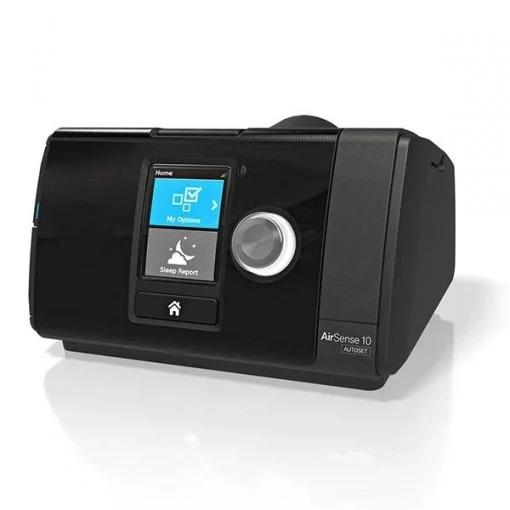


Practical Device Setup, Titration and Monitoring
Prof. Cesare Gregoretti
Head of Anesthesiology and Intensive Care Unit, Fondazione Istituto G. Giglio, Cefalù, Italy
University of Palermo, Italy
How to Set Up a Home NIV Device: Interfaces, Ventilation Modes and Practical Titration
Topics:
- Home NIV ventilator platforms
- Choosing the right interface: nasal masks, oronasal masks, under-the-nose masks, total face masks
- Circuit configuration
- Ventilation modes: S mode, ST mode, T mode, AVAPS / iVAPS / VAPS
- Essential settings: IPAP, EPAP, backup respiratory rate, inspiratory time, rise time, cycling sensitivity
- Low-intensity versus high-intensity NIV
- Practical demonstration: initial setup, optimization, leak management, trigger and synchrony adjustment
Key message: „Successful NIV depends more on proper setup than on the ventilator itself.”
Dimitrios Nasys
NIV Clinical Specialist, ResMed
Home NIV in Neuromuscular Diseases and Kyphoscoliosis: Initial Settings and Personalized Ventilation Strategies
Topics:
- Restrictive physiology and chronic hypoventilation
- Early signs of nocturnal hypoventilation
- Role of FVC, SNIP and MIP
- Practical titration strategies: ABG-guided titration, SpO2/TcCO2-guided titration
- NIV in ALS, muscular dystrophies, SMA and severe kyphoscoliosis
- Initial NIV settings in restrictive disorders
- Titration strategies for neuromuscular disease
- Target tidal volume optimization
- Backup respiratory rate optimization
- Secretion management
- Transition to daytime ventilation
Key message: „In neuromuscular disease, individualized titration and timing of NIV initiation are critical.”
Assoc. Prof. Oana Deleanu, MD, PhD
President of the Romanian Section of Sleep Medicine and Non-Invasive Ventilation
Bucharest, Romania
Home NIV in COPD and Obesity Hypoventilation Syndrome: High-Intensity NIV, Monitoring and Troubleshooting
Topics:
- Which COPD patients truly benefit from Home NIV?
- Chronic hypercapnic COPD
- High-intensity NIV in COPD
- NIV in overlap syndrome
- Obesity hypoventilation syndrome: when CPAP is sufficient and when NIV is required
- Initial NIV settings in COPD and OHS
- Common problems: leaks, patient-ventilator asynchrony, intolerance, aerophagia, dryness
- Telemonitoring and follow-up
- Download interpretation: compliance, leaks, residual respiratory events, minute ventilation
- When and how to adjust settings
Key message: „Continuous monitoring and optimization are essential for effective long-term Home NIV.”
Live Practical Session
Hands-On NIV Device Setup and Optimization
- Mask fitting
- Interface selection
- Circuit setup
- Initial parameter configuration
- Leak interpretation
- Trigger sensitivity adjustment
- Synchrony optimization
- Download analysis
- Troubleshooting real-life cases